Sleep plays a vital role in supporting overall well-being, yet many people concentrate mainly on the number of hours they rest while giving far less attention to how sleep position influences comfort, recovery, and long-term health. Even while the body is at rest, several essential processes continue throughout the night, including circulation, digestion, and tissue restoration.
Health specialists frequently point out that sleeping on the left side may naturally support these systems. When the body is aligned in a position that works with gravity rather than against it, internal functions may operate more smoothly. Even a small adjustment to sleeping posture can help produce deeper rest and more refreshed mornings.
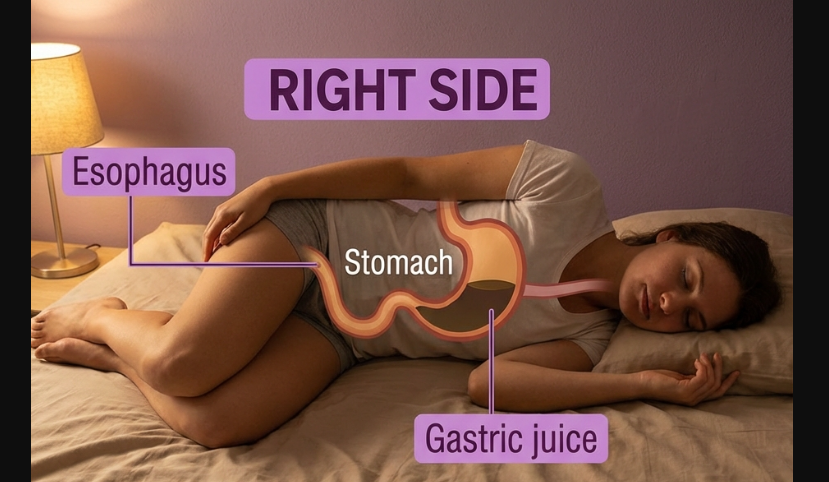
One of the most commonly discussed benefits of left-side sleeping relates to the digestive system and nighttime discomfort. Because the stomach sits slightly toward the left side of the body, lying in that direction can help keep stomach contents positioned lower, which may reduce the chance of acid reflux or heartburn.
Many people who deal with occasional indigestion at night report that this simple shift brings noticeable relief. In addition, sleeping on the left side may help food move more efficiently through the digestive tract, easing feelings of heaviness or bloating that sometimes interrupt rest.
Circulation also plays a major role in nightly comfort, and left-side sleeping may offer advantages here as well. The lymphatic system, which supports immune function and helps remove waste from the body, tends to work more effectively when major vessels are not compressed.
Resting on the left side can allow blood to return to the heart in a smoother and more natural flow. For pregnant women, especially in later stages of pregnancy, many doctors encourage left-side sleeping because it supports circulation, reduces pressure on the liver, and provides more overall comfort for both mother and baby.
Changing long-established sleep habits requires patience, and many people find that gradual adjustments work best. Supportive pillows can make the process easier. A pillow behind the back can prevent rolling, while a pillow placed between the knees can help stabilize the hips and spine, creating a balanced and relaxed position. Over time, the body often adapts to the new posture, leading to fewer disturbances throughout the night.
While no single sleep position is ideal for every individual, exploring left-side sleeping can be a simple and worthwhile step toward improving nightly comfort. Because sleep takes up a significant portion of a person’s life, even small enhancements to posture can influence energy levels, mood, and overall health. When people wake feeling rested and restored, daily tasks and responsibilities often become easier to manage.
Prioritizing sleep position is an easy way to support the body without major effort or investment. A thoughtful shift in the way someone rests can promote better digestion, healthier circulation, and more peaceful nights. In the long run, a comfortable and supportive sleep posture can make a meaningful difference, helping transform sleep from a routine activity into a restorative and beneficial part of everyday life.