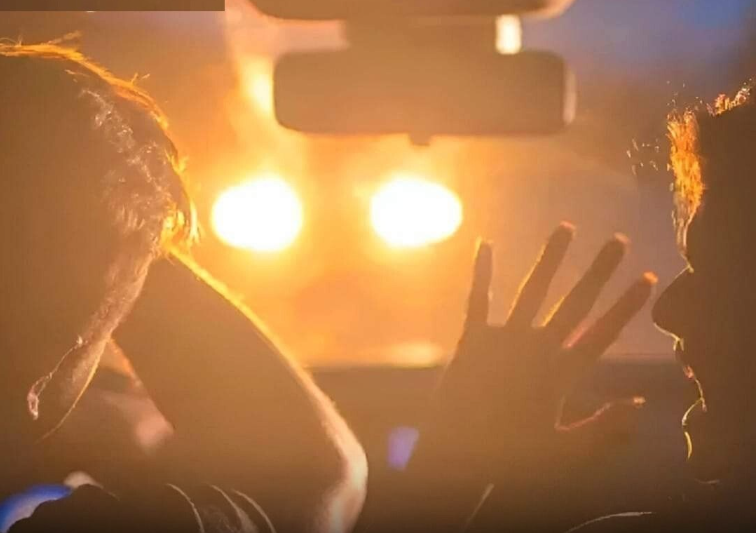
The burst of glare arrives before the vehicle itself comes into view. For a brief instant, your vision is wiped out, leaving your heart pounding as you continue moving at highway speed with almost no ability to see the road ahead. This sudden flash of intensity has become a widespread concern among drivers everywhere, creating moments of genuine danger during night travel.
Modern headlights—especially those using LED and high-intensity discharge (HID) technology—are far more powerful than anything that appeared on cars a decade ago. While they were engineered to improve visibility, they have introduced a new problem: exceptionally strong beams that overwhelm oncoming drivers. Reports from around the world describe the same experience. Motorists talk about moments where the brightness left them disoriented, edging toward another lane, touching the brakes suddenly, or glancing away from the road to protect their eyes.
LED headlights were once celebrated as a major improvement in automotive design. Their light resembles daylight, they use far less energy, and they last significantly longer than halogen bulbs. These qualities helped them spread rapidly through the automotive market. Yet the very features that make LEDs efficient also create issues. Instead of emitting a warm, diffuse glow, LEDs produce a sharp, concentrated beam. This helps the driver behind the wheel, but it often creates severe glare for anyone facing that beam from the opposite direction.
When headlights are positioned slightly higher—common on SUVs, trucks, and modern crossovers—the problem intensifies. Even a minor misalignment can send a powerful beam directly into the eyes of oncoming drivers. A shift of only a few degrees can produce blinding effects for several seconds, which is long enough to lose awareness of the road.
Vehicle size also plays a role in this growing hazard. As vehicles have become larger and taller, their headlights sit at a height that intersects directly with the typical line of sight for most drivers. On uneven or curved roads, the beam can bounce unpredictably, creating flashes of extreme brightness that linger in the vision far longer than people expect. Even when drivers look slightly downward to avoid the beam, their eyes struggle to recover quickly, making depth perception and distance-judging more difficult.
Traffic safety organizations have noted that glare contributes to nighttime collisions more often than official records show. Many reports fail to capture the role of temporary blindness because drivers may not recognize it as the root cause. One of the underlying issues is that current headlight regulations were developed long before LED technology became standard. Although rules exist regarding beam height, intensity, and alignment, many of them do not fully address the realities of modern traffic conditions, varied vehicle sizes, and new lighting technologies.
Some advanced vehicles now include adaptive lighting systems capable of adjusting direction and intensity automatically, dimming certain areas while keeping visibility strong for the driver. However, these systems remain uncommon, and millions of cars still operate without such safeguards. As a result, nighttime driving often involves sudden encounters with headlights that feel overwhelming or disorienting.
The effects of such glare extend beyond discomfort. A vehicle traveling at 65 miles per hour covers approximately 95 feet every second. If a driver loses clear vision for three to five seconds, the vehicle moves between 285 and 475 feet without reliable visual information. That distance exceeds the length of a football field. Elderly drivers and those with pre-existing vision conditions experience even longer recovery times, placing them at heightened risk.
Experts explain that the issue is not rooted in overly sensitive drivers. Instead, it arises from the combination of light intensity, headlight placement, road conditions, and outdated safety standards. While LEDs themselves are not harmful, they require precise alignment and thoughtful design to remain safe for everyone on the road, not only the driver using them.
Possible solutions include stricter headlight regulations, mandatory alignment checks during routine maintenance, and broader implementation of adaptive lighting technologies. However, the rollout remains slow and inconsistent. Until these measures become standard, many drivers continue to face unpredictable bursts of glare during nighttime travel.
This issue affects more than safety alone. Drivers who regularly encounter blinding headlights often develop anxiety or heightened stress about nighttime driving. Some begin avoiding travel after dark, leading to changes in routines, increased traffic during daylight hours, and disruptions to daily life.
Urban environments introduce additional challenges. Reflective surfaces such as glass storefronts, metal signs, and wet pavement can bounce LED light in multiple directions, magnifying the glare. Rural environments are equally risky due to higher speeds, limited lighting, and curving roads. Emergency responders note that nighttime navigation becomes significantly harder when glare affects visibility.
Regulations are currently being reviewed in many countries, but updates often lag behind technological advancement. Testing environments do not always replicate real driving conditions, leaving gaps in safety guidelines. Meanwhile, aftermarket LED and HID kits—popular among drivers seeking brighter headlights—often exceed legal limits or cause severe misalignment, contributing further to road risks.
Driver education remains an essential part of the solution. Many motorists are unaware of how their own headlights should be adjusted, what angle is appropriate for different vehicle sizes, or how aftermarket modifications can create hazards for others. Clearer guidance from dealerships, manufacturers, and driving schools could significantly reduce the problem.
Headlight glare has health implications as well. Intense light exposure can reduce contrast sensitivity and trigger “flash blindness,” where vision becomes severely impaired. Drivers with certain eye conditions are especially sensitive, making nighttime driving more challenging and dangerous.
On a broader scale, this issue carries economic consequences. Accidents, near-misses, and the behavioral effects of glare contribute to medical costs, insurance claims, and lost productivity. While exact numbers are difficult to track, traffic experts agree that reducing glare would create meaningful benefits for public safety and economic stability.
Technological innovation offers hope. Matrix LED headlights, adaptive front-lighting systems, automatic high-beam assist, and intelligent beam-cutting technologies provide safer alternatives. These solutions allow vehicles to illuminate the road effectively without overpowering oncoming drivers. Yet cost and availability limit widespread adoption.
Government agencies such as NHTSA and regulatory councils in Europe continue to evaluate new safety standards, but progress is gradual. Harmonizing global regulations may someday ensure more consistent safety for drivers worldwide, especially those traveling across borders.
Until then, drivers can take practical steps to protect themselves: ensuring proper headlight alignment, avoiding overly bright aftermarket bulbs, cleaning headlight lenses regularly, and using low beams when appropriate. Defensive nighttime driving—maintaining safe distances and moderating speed—remains essential.
Ultimately, headlight glare is not an inconvenience but a real and measurable safety concern. As vehicle technology advances, the challenge is ensuring that innovation does not outpace safety. Bright, efficient lighting can improve visibility, but only when implemented with care for everyone who shares the road. The goal is a future where drivers can rely on both clear illumination and safe, comfortable nighttime travel.