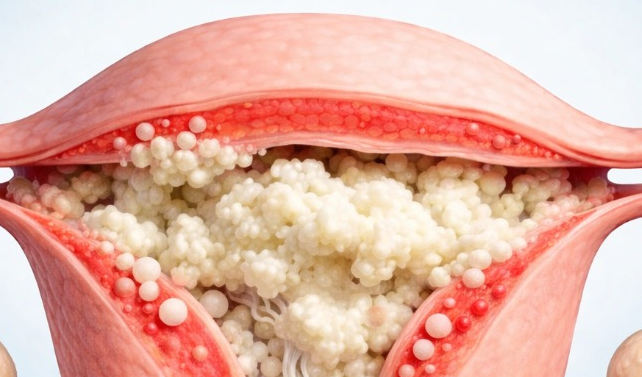
Many of the actions we perform each day happen without deliberate thought. We blink to protect our eyes. We shift position when a chair becomes uncomfortable. We stretch after sitting for long periods. These responses feel automatic, yet they serve important protective functions.
Because they occur so naturally, people often overlook their value. Small physical signals may seem minor or routine. Over time, however, ignoring them repeatedly can contribute to discomfort or even health complications.
One commonly overlooked response is the urge to urinate after close physical interaction. For many individuals, particularly women, this sensation appears quickly and predictably. It may seem incidental, though it reflects an important protective mechanism within the urinary system.
Understanding why the body responds this way allows individuals to make informed decisions about personal health without embarrassment or confusion.
How the Body Uses Automatic Responses to Protect Itself
The human body operates through interconnected systems designed to maintain balance. These systems regulate fluid levels, immune defenses, muscle tone, and circulation. Most of this happens without conscious control.
After physical closeness that involves movement and muscle engagement, the body undergoes temporary changes. Blood flow increases in the pelvic region. Muscles contract and then relax. Hormonal activity shifts to support recovery and regulation.
These changes are purposeful. They promote circulation, support tissue health, and help reduce the risk of irritation. The sensation of needing to urinate is part of this coordinated response. It signals the body’s effort to cleanse and restore balance within the urinary tract.
Why the Urge to Urinate Often Follows Physical Intimacy
The anatomy of the pelvic region helps explain this experience. The bladder sits close to other pelvic organs. Movement and gentle pressure in this area can stimulate nerves connected to the bladder, creating the urge to empty it.
In addition, physical arousal can influence kidney function. The kidneys may filter fluids at a slightly elevated rate during and shortly after physical engagement. Hormonal changes associated with relaxation can also affect fluid balance and muscle tone.
Together, these factors make post-activity urination common and expected. This response does not indicate a problem. It reflects normal physiology functioning as designed.
The Protective Role of Urination in Urinary Health
Urinating after close physical contact plays a well-recognized role in reducing the risk of urinary tract infections. These infections develop when bacteria enter the urethra and multiply within the bladder.
Certain bacteria are naturally present on the skin and in the digestive tract. During physical interaction, these microorganisms may shift closer to the urethral opening. If they remain there, they can travel upward and cause irritation.
Urination helps flush bacteria out of the urinary passage before they attach to the lining of the tract. This simple step supports the body’s natural defense mechanisms and reduces infection risk.
Why Women Face Higher Risk of Urinary Infections
Biological structure influences susceptibility. The female urethra is shorter than the male urethra and located closer to areas where bacteria commonly reside. This shorter pathway makes it easier for bacteria to reach the bladder.
This increased vulnerability highlights the value of preventive habits. Consistent hygiene practices, adequate hydration, and responding promptly to the urge to urinate significantly lower the chance of infection.
Urinating after physical closeness is one of the easiest preventive measures available. It works alongside the immune system to maintain balance.
Supporting External and Urethral Health
Urination not only clears internal pathways but also helps maintain external cleanliness. Passing urine removes residual fluids and microorganisms that may remain after physical contact.
During periods of increased blood flow, tissues in the pelvic region become more sensitive and resilient. Once activity concludes, the body transitions back to its baseline state. Urination assists this transition by clearing the urinary channel and supporting comfort.
Changes in Urine Appearance
Some individuals notice that urine appears lighter or less concentrated after physical activity. This variation often reflects hydration status and temporary hormonal shifts.
When fluid filtration increases, urine may contain more water, resulting in a clearer appearance. These changes are typically harmless. The key factor is not appearance but responsiveness to the body’s signal.
Holding urine for extended periods can allow bacteria to remain in the bladder longer, increasing the likelihood of irritation.
The Effects of Delaying Urination
Postponing urination may create an environment where bacteria have more time to multiply. This can elevate infection risk, particularly for individuals prone to urinary issues.
Certain health conditions, including diabetes, can make infections more challenging to manage once established. Promptly responding to the urge to urinate supports the body’s protective mechanisms.
Making It Part of a Broader Health Routine
While urinating after physical closeness is beneficial, it works best within a comprehensive wellness routine. Drinking sufficient water encourages regular urine flow, naturally cleansing the urinary tract throughout the day.
Wearing breathable fabrics reduces moisture buildup. Avoiding harsh or fragranced products in sensitive areas helps maintain a balanced environment. Regular medical checkups allow early detection of any concerns.
When combined, these habits reinforce each other and create consistent support for urinary health.
Understanding the Value of Simple Habits
Conversations about bodily functions can sometimes feel uncomfortable. When topics remain unspoken, effective preventive practices may be overlooked.
The urge to urinate after physical closeness is common and grounded in physiology. Recognizing it as a protective response removes unnecessary stigma.
Small daily habits often carry significant long-term value. Urinating when the body signals the need requires little effort, yet it can reduce infection risk and promote comfort.
Listening to these signals represents a form of practical self-care. When individuals understand the purpose behind automatic responses, they can maintain their health with confidence and consistency.